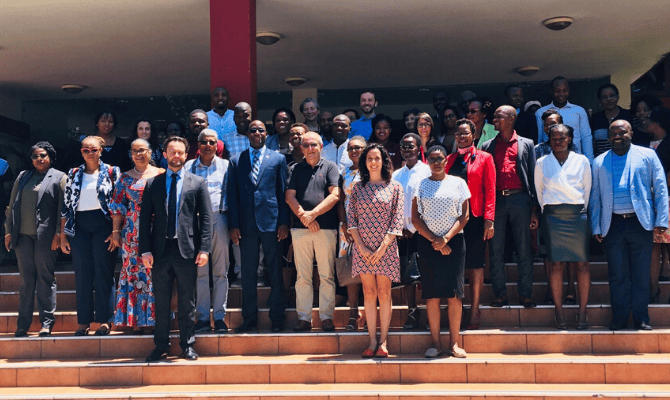
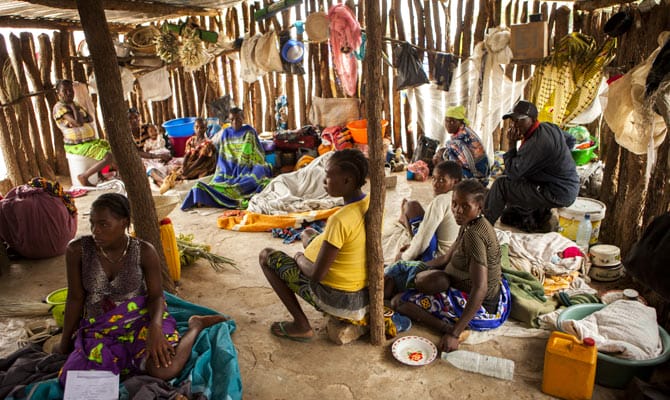
On the 27th February, at the presence of the Mozambican Ministry of Health and local health authorities, Doctors with Africa CUAMM and the World Diabetes Foundation (WDF) celebrated 3 years of joint work to fight diabetes and hypertension in Mozambique. A great event was organized in Maputo to share results and best practices.
Doctors with Africa CUAMM has been working in Mozambique since 1978, in close partnership with the Ministry of Health (MoH). In October 2016, thanks to the support of the World Diabetes Foundation, CUAMM has launched a vast and innovative three-year program to fight Diabetes (DM) and Arterial Hypertension (HTN) in 3 provinces of Mozambique: Maputo, Sofala, Cabo Delgado. The program was unique as it was the very first of this kind piloted in the country. The intervention targeted 17 districts, covering 81 health units and one central hospital, reaching a population of about 3.600.000 people and screening about 903.244 people for DM and HTN.
Doctors with Africa CUAMM is committed to continuing its efforts towards expanding and strengthening the integration of NCDs screening and treatment into quality existing services, in collaboration with the Ministry of Health and local associations.
«To better understand reality take a step back and observe it with a distant glance. You will thus understand that diversity, as such, cannot be inferior», wrote the renowned anthropologistClaude Lévi-Strauss.
Understanding diversity is an integral part of our work, because even before offering health care, it is necessary to ask ourselves what the needs of the population are – to learn about them, with respect and attentiveness.
It turns out that in a fertile place like Ethiopia, children suffer from malnutrition and the problem is not the lack of basic ingredients, but the fact that they all eat from one dish and the youngest of them remain behind. The need to look after large families where accompanying a child to hospital means leaving many others alone, or the desire to give birth in the traditional position of one’s own population, preferring to stay in the village rather than in a safe health centre, are just some of the challenges we face in the field: cultural challenges, which we are called on to undertake as doctors on a mission to another continent.
It is a human relationship, made up of observation and knowledge, but also a professional approach – that of anthropology. “We could define it as the science that “removes the veil” – says Edoardo Occa, Cuamm anthropologist in Mozambique – because anthropology reveals behaviors that are distant from us and enables us to read reality in a way that brings us closer to the other“.
This is how targeted interventions in the field are developed: an innovative pillow prototype that guarantees to Ugandan women that they can give birth in a safe way while maintaining traditions; direct medical visits to the villages in order to reach everyone; training for mothers on the importance of food and the proposal that they be the ones who share meals with the youngest children.
Bonadio and Girardelli, Cuamm doctors in the 1980s, already said how “it is essential to increase the channels of real communication with the local population as much as possible, so that they can be the protagonists of their own development (…) in the name of mutual respect between people belonging to different peoples that work and grow together”.
A “distant glance” of observation, then, which allows us to get up close, understand, find solutions and bring help in ways that peoples can welcome. As doctors in the field, this vocation towards the knowledge of the other is strong; it is part of our missionary spirit and, even more so, also of a human vision of medicine and cooperation.
We will also talk about it in Milan next Saturday, on February 22nd, where Anthropology Day will be celebrated and, as Cuamm, we will reflect on ways of “Fighting malnutrition by promoting a cultural change”
Today marks the 20th anniversary of World Cancer Day organized by UICC, the Union for International Cancer Control, and supported by the World Health Organization. Today focuses attention on a major issue that affects everyone’s life, inviting us to make a personal commitment to the fight against cancer, starting from prevention. You may not know that in 2018, 9.6 million people in the world lost their lives to cancer; 70% of these people live in lower/middle-income countries. But at least a third of common cancers are preventable, making prevention key. There is still much to do on this front, especially in Africa, to ensure access to prevention and treatment. Cervical cancer is the most widespread cancer in sub-Saharan Africa and mortality remains high, because women come too late for diagnosis, as has been seen by Helena Dinis, a CUAMM nurse who works in the Sofala Region of Mozambique. The WHO has reported that in this country that, despite diagnosis, 6 out of 10 women lose their lives.
The Ministry of Health of Mozambique introduced mandatory screening in health centers in 2009. But after 10 years, in 2019, only 1,267 health centers at a primary level (76% of the total) did screenings and only 233 health centers (18.4% of the total) did cryotherapy to treat precancerous lesions.
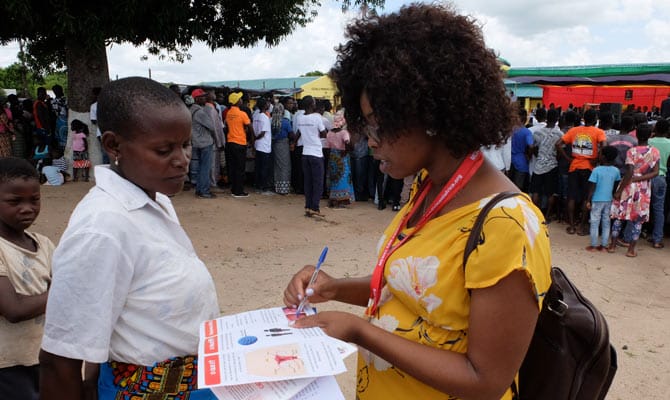
This is why in January 2019 CUAMM launched the project “Prevention and control of non-communicable diseases,” financed by the Italian Agency for Development Cooperation with Dream Sant’Egidio and AIFO, committed to reducing mortality in Mozambique caused by diabetes, hypertension, and cervical cancer. The project aims to increase the availability and quality of services for diagnosing and treating these three diseases in 12 health centers and 2 hospitals in 3 different regions of Mozambique: Maputo, Sofala, and Zambézia. The greatest challenge is having a team of trained technicians to educate about the importance of prevention. Women need to be encouraged to get screenings at their closest health centers. This is one of Helena’s goals. Every day she works to make the health center services more efficient through a training program for health personnel working in the clinics. A key role is played by community activists who raise awareness in the population living in rural villages. Many initiatives and activities aim to inform them about the screening service that can be done out in health centers. “When we are in rural villages, I use a small leaflet with photos and ask some simple questions to get women to listen to me. This takes a lot of patience. You can’t be in a hurry and need to take the time to get to know each other and build trust. When I see an opening and see that a woman is listening, then I can give her information that is essential for her health,” says Assuema Manuel, a CUAMM nurse in the Zambezia Region. “My working days are long and hard, but I am proud to work on this project with CUAMM because through better access to prevention and treatment, we can save the lives of many women like me.”
As reported by Paolo Massaro, project manager for “Prevention and control of non-communicable diseases.”
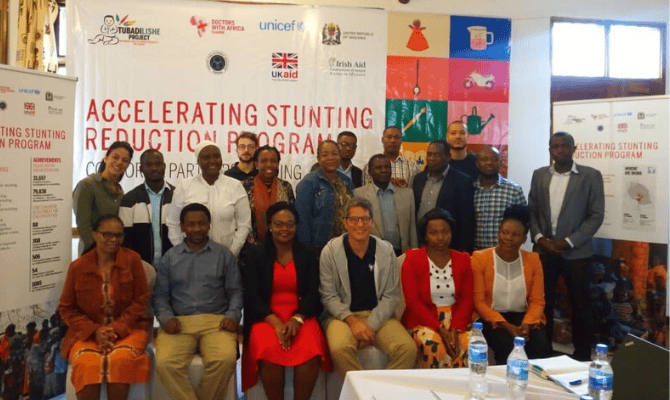
Doctors with Africa CUAMM Tanzania, together with the local partner organization TAHEA, hosted the annual consortia meeting of “Accelerating Stunting Reduction Programme” from the 29th to 31st of January. Among local and international partner organizations, UNICEF and Regional and District Nutrition officers participated in the meeting.
Stunting is the impaired growth and development that children experience from poor nutrition, repeated infection and inadequate psychosocial stimulation, as explained by the World Health Organization (WHO). Especially the first years of a child’s life, the first 1000 days from conception to the age of two, is a crucial period for timely intervention. “Accelerating Stunting Reduction Programme” aims to reduce stunting prevalence in the southern highlands regions of Tanzania: Iringa, Njombe, Mbeya and Songwe, where the needs are greatest among other regions of the country. With the coordination of UNICEF Tanzania, the programme has been implemented by three consortia, each one of them covering different regions; in particular, CUAMM and TAHEA are intervening in Iringa and Njombe.
As entering the 5th year of the programme, the final year, the main agenda of the meeting was to review the progress of handing over the activities to the respective local government bodies in order to ensure sustainability of the programme impact.
«The programme has gained its momentum. It is not only the partner organization who is leading the programme, but also the local government bodies have been deeply engaged, taking their ownership in nutrition issues. It has been a great team play» – claimed Ruth Nkurlu, UNICEF Southern regional programme coordinator, distinguishing the programme with other nutrition interventions around the country -. «Furthermore, because of the holistic approach of this programme implementation, meaningful behaviour changes are witnessed from the community level to the local government authorities».
Even though the programme is approaching its end, the need is still very high. The fight against malnutrition is not over yet. The Iringa Regional Nutrition officer appreciated CUAMM-TAHEA’s interventions in the region highlighting how it has strengthened the nutrition management system from the community level to the district and the regional level, sensitizing and empowering the local government authorities, which is the key to sustainability.
Sustainability cannot be achieved by working alone. Doctors with Africa CUAMM will continue its journey fighting against malnutrition alongside the local government and the local and international partners.
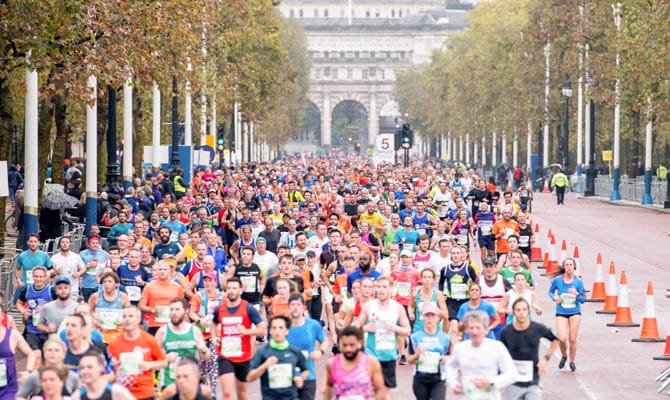
Join our team today and help us raise funds to tackle maternal mortality in Sub-Saharan Africa. By running and fundraising for Doctors with Africa CUAMM you will contribute to improving both access and quality of maternal and newborn health services for mothers and children. Out team works every day close to the most vulnerable populations and to local health authorities to strengthen health systems and to guarantee the right to health for all.
You can be part of all this! Register today to join our team, we’ll ask you for a registration fee of £30 and a pledge to raise £350.
Support for you
Join our team and you’ll benefit from:
a great Doctors with Africa CUAMM T-Shirt
the best cheers en route
a fundraising support to help you take your challenge to the finish line
post-race treats, refreshments and a place to rest
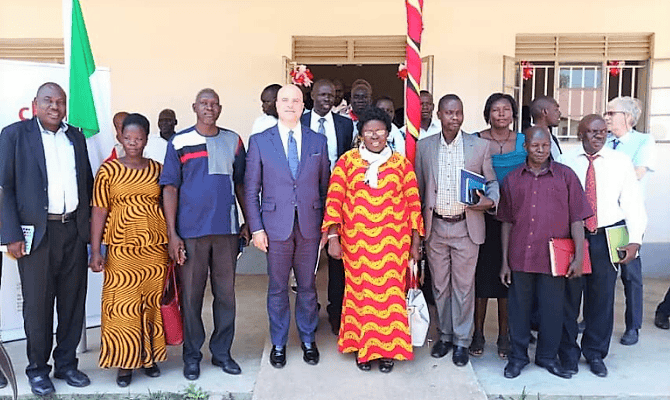
Christian Blind Mission (CBM) Uganda in partnership with Doctors with Africa CUAMM have launched a new project for eye care in Northern Uganda: “Foreseeing Inclusion: Eye Health and Disability Inclusion in Northern Uganda”. This three years’ project, funded by the Italian Agency for Development Cooperation, will be implemented in three districts of Arua, Kitgum and Lamwo. The launch was officiated by Dr. Joyce Moriku Kaducu, the State Minister of Health-Primary Health Care, and the Italian Ambassador H.E Massimiliano Mazzanti, along with other local government and districts officials.
According to the Uganda national census 2014, Northern Uganda accounted for 32% of all individuals with visual impairment with 75% avoidable blindness. Poor coverage of basic and secondary level eye care services largely contributed to this. The situation worsened even more in 2017, due to the increase of South-Sudanese refugees and the consequent overcrowding of the existing eye health facilities. The project, in collaboration with the Ministry of Health, arose from the need of the communities in the 3 districts and aims at contributing to the reduction in the prevalence of avoidable blindness by 2021, in line with the 4th Eye Health Action Plan 2016-2020.
«Awareness raising activities and primary prevention on eye defects are essential and they should be the key pillars of the project – the Minister Hon. Joyce Moriku Kaducu emphasized –. I support the decision to implement the project into those districts where the burden is really high among the locals and the refugees from South Sudan».
Dr. Peter Lochoro, CUAMM’s Country Representative in Uganda, gave a highlight of the work of CUAMM in Uganda especially in West Nile for over 50years: «I am grateful to the Ministry of Health for giving CUAMM the platform for implementing our projects and the local governments for integrating our work for better service delivery». «West Nile region remains a priority for the Italian government and I hope this project is just the beginning of many other bigger projects supported by the Italian government» concludes the Italian Ambassador Massimiliano Mazzanti, highlighting CUAMM’s long-lasting intervention thanks also to the welcoming nature of the locals.
As of yesterday we are back in lockdown, most of us here in Italy once again living in a so-called “red zone”. The numbers of confirmed cases of COVID-19, intensive care unit admissions and deaths from the virus continue to rise. Schools have closed and families have been brought to their knees. There is much pain and fear, and pandemic fatigue is setting in. Worse, we no longer even have the energy to envision a better future.
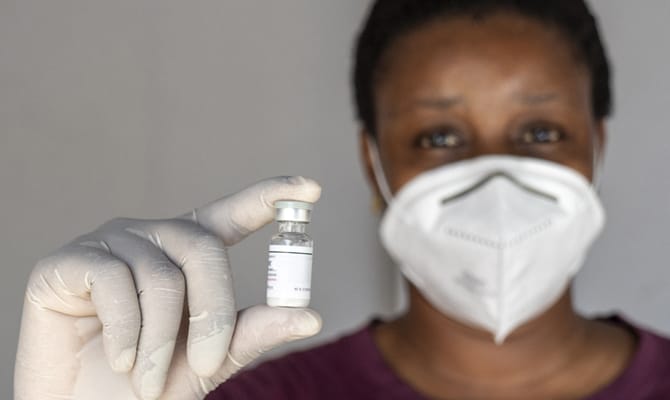
But there is light at the end of the tunnel, and its name is vaccines. Availability is limited: we don’t have enough doses in Italy, and the situation is far worse in Africa. We need more, enough for everyone. This is why COVID-19 vaccine patents must be suspended, so that production can be ramped up. This must be done urgently if we want to prevent the development of new variants that could jeopardize all the progress made up until now. Yet unbelievably, not even during the World Trade Organization meeting last week was an agreement reached on waiving intellectual property rights for the vaccines. India and South Africa continue to press their case while the United States, United Kingdom and European Union Commission argue against it, despite numerous appeals – including one by the World Health Organization signed by CUAMM and many others – asking that these rights be suspended even just temporarily.
Despite all of this, vaccines have begun trickling into Africa thanks to the COVAX initiative and donations from China. While still too few given the size of the continent’s population, they are beginning to arrive – to Sierra Leone (100,000), Mozambique (200,000), Angola (600,000), South Sudan (700,000), Uganda (900,000) and Ethiopia (2,200,000).
CUAMM is now making available our on-the-ground human and logistical resources (personnel, pickups, motorbikes, refrigerators and so on) to local vaccination systems, but these systems are very fragile, and the needs are infinite. We need to do more, devoting every last bit of energy to strengthening logistics, personnel and communities, and providing tools and training; and all of this has to be done right away. That’s why we’ve launched our A Vaccine for Us All initiative, because when greater quantities of the vaccines finally arrive to Africa, distribution mechanisms are going to have to be ready to go and effective. We’ve already seen the challenges faced in Italy; just imagine the situation in the vulnerable countries where CUAMM maintains a presence. They need our hard work and support, and we need everyone’s help in order to provide it. The challenge is daunting, and will require both hearts and minds, but we won’t back down. We need to transform vaccines into actual “shots in the arm”, starting with our local doctors and nurses, who are at especially high risk of infection, and then moving on to everyone else. From Mozambique, where the number of cases is soaring because of the country’s proximity to South Africa, our own Giovanni Putoto puts it in a nutshell, reminding us how “Alongside the appeals, there is so much concrete work that needs to get done”. As always, CUAMM is on the ground ready to do its part, side by side with our local partners.
Thank you for joining us in the enormous challenge called A Vaccine for Us All. Only by working together will we be able to save ourselves from this pandemic.
Papà, Dad, Père, Pai, Baba, Embo, Fa, Abba, Aabe, Aabba, Abo. These are just some of the words used to call dads in Africa.
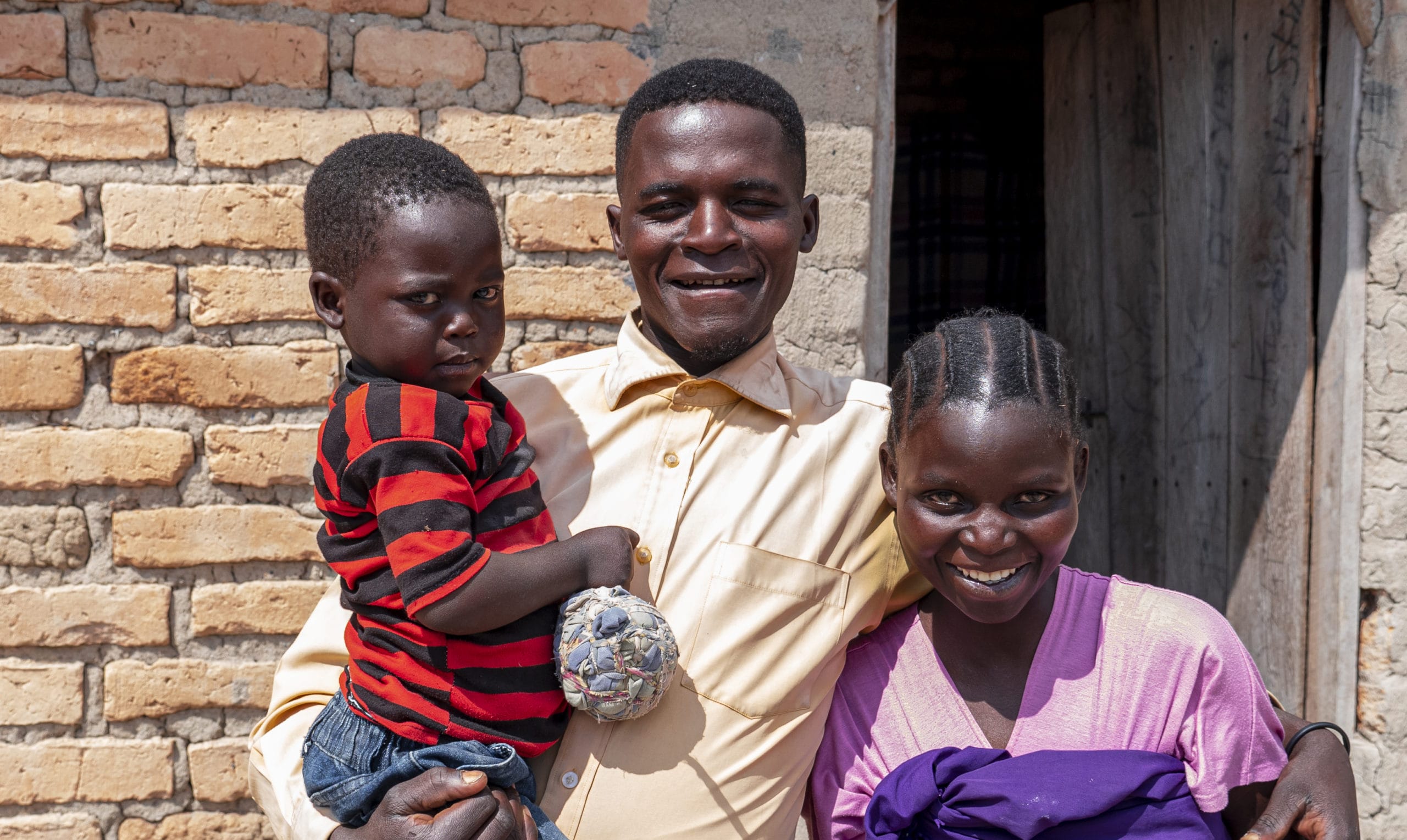
Fathers are often marginal figures in this continent, as parental responsibilities are mainly a duty of women. Anyhow, their active role in the family is essential for the health of children. Singi is Richard’s father and is an example of how the involvement of fathers in the family can make a difference.
Singi and his family live in the Simiyu region, Tanzania. The case of little Richard was reported by community health workers during a home visit in which they noticed that the child was very weak, unable to walk and under-weight. They suggested to bring him to the nearest dispensary in order to start a treatment for malnutrition.
The father immediately took charge of the situation and took him to the dispensary.
“After only two weeks Richard started gaining weight, walking and eating on his own and after four weeks he was discharged. I kept following the advices I received from the health workers and once at home we tried to provide our son with a balanced diet” says Singi.
Singi participated in the cooking demonstrations to understand how to use the food he could afford in order to support his son’s growth and development.
“I am very happy and grateful to the health community workers for giving me the opportunity to take care of my child to the fullest. Now I am committed to sharing my experience with the community and above all to the other fathers because I want to encourage them to be attentive to the health of their children”.
On Father’s Day we want to remember the many fathers we meet every day on our work in Africa; doctors, nurses, community workers and drivers who work in our projects, but our thought also goes to all the fathers of the children we meet in the hospitals and health centers we support.
«I was 16 years old when I had my first child. Now, I am 22 and I have been pregnant three times. Two of my children died of malnutrition, before they reached the age of one. I gave birth to my first two children at home only receiving one antenatal care visit and not receiving assistance after my delivery. Things finally changed when I was pregnant with my third child, because I received a free transport voucher that enabled me to deliver my baby at the nearest health facility, Ariba HC II. As soon as I went into labour, I called boda boda (motorbike) that took me to the health centre and I gave birth to my baby that night. The health personnel took care of us and ensured due vaccinations for my baby. A health worker gave me advice on family planning and how to take care of my child at best».
Jiuliet Tino lives in Oyam district, Uganda and is one of the women who over the last year has benefited from the free transport voucher scheme promoted by Doctors with Africa CUAMM within the project “Mothers and Children First. 1,000 Days” and thanks to the support of the Symphasis Foundation. As many other in the region, her family lives with very little money: that is why her children have suffered of malnutrition but she could never afford health care.
In Uganda, many women face the same challenges as Juliet. In particular, Oyam District, located in a rural post-conflict region in the northern part of Uganda, has one of the highest maternal mortality rate. More than a half of the population live below the poverty line and still the high majority of pregnant women receive only one over the four antenatal care visits (ANCs) recommended by WHO, as well as less than a half of them use institutional delivery services. Affordable transport and long distances to the nearest health facility are key obstacles in accessing maternal and new-born services for poor women in Oyam district. Motorized vehicles (boda bodas, cars) serve most communities but the cost of transport challenges care access and assistance.
For this reason, the purpose of CUAMM’s project in Oyam “Mothers and Children First. 1,000 Days”, thanks also to the support of Symphasis Foundation, working with the district Health Management Team (DHMT), is to improve both access to the health system and quality of maternal and newborn health services. CUAMM successfully contributed to promote incentives mechanisms in the community, such as a free transport voucher system and motorbike ambulances. «Voucher scheme is a really fundamental tool – Susan Achan, a midwife in Ariba HC II, adds –. It leads to increase the number of safe deliveries, providing village health teams with the opportunity to share health messages and additional services to mothers and babies».
Just like Juliet, Brenda Akot is another one of the many women who benefited from this effective service, and today she is happy with her child.
«CUAMM saved me and my baby’s life. Do not stop your work here. Look out for more mothers like me and help them. We know that when a mother dies, her children are less likely to survive We want a Uganda where no mother dies because she cannot afford the transport to reach the health facility. We want a Uganda where every woman has the right to a safe and assisted delivery».
All these women’s words demonstrate how transport voucher scheme has played a critical role in accessing safe and quality maternal and child healthcare.
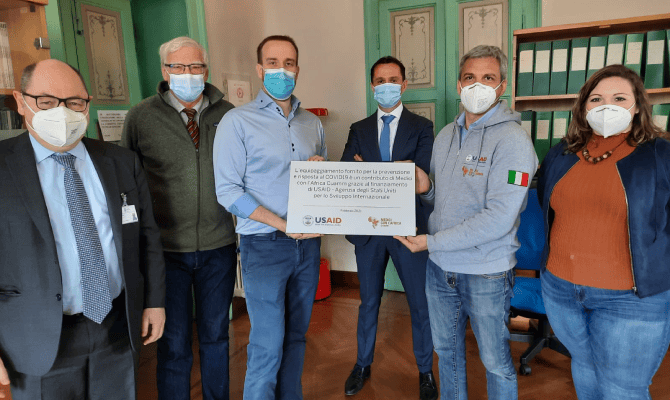
As the number of cases of COVID-19 rises again in Lombardy and in Italy in general, the hospital of Carate Brianza is prepared to face a new wave of the epidemic. Doctors with Africa CUAMM has provided the health facility with new equipment to ensure the safety of health workers and people accessing the hospital through the emergency room: over 25,000 patients only in 2020. The donation has been funded by the U.S. Government through the United States Agency for International Development (USAID) in the framework of CUAMM’s project “Italian Response to Covid-19” (IRC-19).
Last January, eight gazebos were provided, to be used as frontline reception spaces, allowing health staff to screen suspected cases of COVID-19 outside the hospital, improving the flow of the patients and avoiding overcrowding in the facility. Also eleven new stretchers have been made available since November 2020, while screens have been ensuring more privacy and smarter use of the spaces. Thirty dispensers of hand sanitizer have been distributed around the hospital, to guarantee high standards of hygiene.
Today Doctors with Africa CUAMM officially delivered the new equipment to the management of the hospital. Marco Trivelli, General Director of ASST Brianza, attended to the ceremony, together with Ezio Goggi, Medical Director of the area, Davide Moro, doctor from the hospital of Carate Brianza, and Andrea Atzori and Veronica Censi from Doctors with Africa CUAMM.
Marco Trivelli, General Director from ASST Brianza, stated, “We thank Doctors with Africa Cuamm for their support to the hospital of Carate Brianza, especially over the last two years. Their contribution is particularly important today, as our health system is under pressure for a new emergency, considering the frightening increase of cases of COVID-19. Today I would like to acknowledge the work of Davide Moro in strengthening the collaboration between our hospital and Doctors with Africa CUAMM, and the commitment of our anaesthetist Mauro Brighenti in several missions of Doctors with Africa CUAMM.”
Andrea Atzori, Chief of Party of Doctors with Africa CUAMM’s IRC-19, stated, “Our project aims to create more resilient healthcare facilities and communities and to provide training for health workers broadly across Italy. As CUAMM we already supported the Hospital of Carate Brianza last year, during the first peak of the pandemic, providing PPE and a ventilator. We wanted to share the know-how developed in many years of work in epidemics in Africa: our experience in the field shows that to be sustainable, each intervention has to be developed in accordance with local counterparts. Even this time we are responding to specific requests coming from the hospital and we are glad to help them thanks to the U.S. Government, which through USAID is supporting a number of initiatives in Italy, aiming at reducing the impact of the COVID-19 epidemic.”
USAID, which funds IRC19, is the U.S. Government’s premiere development organization operating in more than 100 countries worldwide.
This press release is made possible by the generous support of the American people through the United States Agency for International Development (USAID). The contents are the responsibility of Doctors with Africa CUAMM, recipient of the Fixed Amount Award (FAA) No. 7200AA20FA00013 and do not necessarily reflect the views of USAID or the United States Government.