TENDER ANNOUNCEMENT| Provision of Vehicles Rental Services

The NGO Doctors with Africa CUAMM, under its projects implementation in Ethiopia, is launching the present Local Open Procedure to select eligible service providers for vehicle rental services in different Regions of the Country.

The complete tender dossier is available at Doctors with Africa CUAMM main office in Addis Ababa during working hours (09:00-17:00) at the following address:

Bole Subcity, Woreda 3, house nr. 2434, Addis Ababa.

Simultaneously, it can be downloaded on this page.


The tender dossier includes:

  1. Instructions to tenderers and Contract notice
  2. Draft contract and special conditions, including annexes
  • Draft contract
  • Special conditions
  • Annex I: general conditions
  • Annex II + III: technical specifications + technical offer
  • Annex V: forms
  1. Further information
  • Administrative compliance grid
  • Evaluation grid
  1. Tender form for a supply contract and Declaration on honour on exclusion and selection criteria (annex A14a)

For full information about procurement procedures please consult the practical guide and its annexes, which can be downloaded from this web page.

The deadline to submit the tender is fixed on 29/08/2022 at 5:00 PM.

Please send it to the address and with the requirements given in point 7 of the Instruction to Tenderers.


Annex VI_Financial Identitfication form

Annex V_Legal Entity

Annex IV_Financial offer

Annex II and III_Specifications and Technical Offer

Annex Ia _Declaration of Hounor

Annex I_Tender Submission Form

06 Evaluation Grid

05 Administrative Compliance Grid

04 Vehicle Rental General Contract Conditions

03 Vehicle Rental Contract Draft

02 Vehicles Rental_Instruction to participants

Annex VII_Fleet

WE CAN’T WAIT: WORLD HEPATITIS DAY

“We can’t wait”. This is the message chosen by the World Health Organisation for the International Day against Hepatitis, which is celebrated on 28 July. An occasion to remember that a world free of hepatitis is possible, thanks to vaccination, screening and the use of drugs that act directly on the virus and allow its elimination in over 95% of cases.

Action is needed now. This is why Doctors with Africa CUAMM and the Veneto Region are supporting the “Protecting mothers and children in Wolisso and Jinka” programme to defeat hepatitis B in the South Omo area of Ethiopia.

«Since the begining of the program, – explains Eleni Hagos, paediatrician of Doctors with Africa CUAMM – we heve beeen trying to stregthen the screening of all pregnant women for HB virus as there used to be interuptions due to stockout of screening tools and other reasons. We already did an awareness rasing sessions in the different health centers and hospital around South Omo with another CUAMM project, “1000 days”. So the current HB project is stregthening the already started job. But of course, before the awareness raining, we did with the “1000 days” project there was a huge gap in doing screening for all pregnant mothers and adminstering vaccines for the new born. Crucial is the training component for health workers with which we were able to strengthen their awareness on the impact of HB virus infection on the newborn and babies who aquire the disease from their mother. With the training, we were also able aware them about newly strating programs and treatment options for mothers to decrease the transmission from mother to the child».

“Protecting mothers and children in Wolisso and Jinka”, promoted by the Veneto Region, is considered one of the pioneer projects in the southern region of Ethiopia, and probably at national level, specifically focusing on hepatitis B prevention: the Ethiopian Ministry of Health is launching new plans to prevent mother-to-child transmission of hepatitis B, syphilis and HIV.

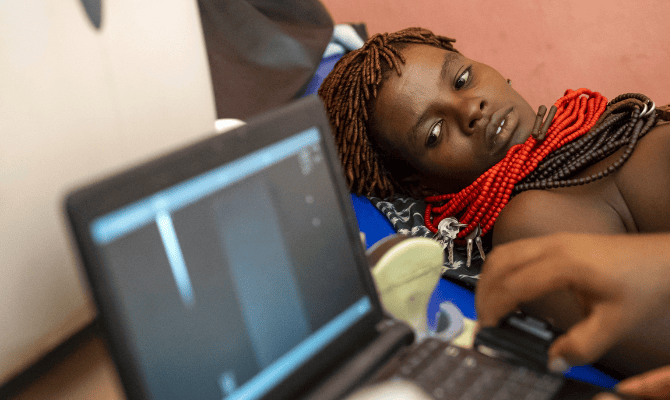
«Among the patients we have cared for – Eleni continues – I remember a mother from the Hamer people who was referred to our hospital because she had given birth to preterm, low-weight twins. The referral came from one of the rural health centres. During the anamnesis, the woman told of having given birth, without any help, in the bushes near her home. She then went to the health facility because her children could not drink milk. As part of the screening against hepatitis B, we tested her and she tested positive. Although it had been 24 hours since her arrival, we gave her the hepatitis B vaccine to take advantage of the 72-hour window, since it is still possible to prevent transmission. We also injected her with a tetanus vaccine, since the birth had taken place on the ground with high risk. Thanks to our care, her babies started feeding and after a week they were discharged healthy, together with the mother».

The programme in brief

The health campaign “Protecting mothers and children in Wolisso and Jinka” is will end next December. The activities promoted consist of technical assistance by selected health personnel, coordinated by a local paediatrician, and “on-the-job” training of professionals for monitoring and data collection at the target health facilities in the South Omo area.  The last training course on diagnosis and administration of the hepatitis B vaccine was attended by 42 people, 29 of whom passed the final test with over 80% marks.

In addition, awareness-raising activities, a supervision round at peripheral health units in the South Omo area, advocacy meetings and group discussions with Ethiopian authorities were carried out.

The interim results of the project

From January to June 2022, a total of 1,851 women benefited from their first antenatal visit in the health facilities located in the project’s intervention area – Jinka General Hospital, Koybe Primary Hospital, Gazer Primary Hospital and Turmi Health Centre – and a total of 2,841 women gave birth in the facilities with a record 2,875 newborns during the same period. During the same period, 1,161 women completed screening for hepatitis B and 49 were recorded as positive. At St. Luke’s Hospital, 312 mothers were screened for hepatitis B out of a total of 943 women who had their first antenatal visit and 12 tested positive.

Why hepatitis B is so wide-spread in the village of Turmi

«There are cultural practices in the village of Turmi, an area in South Omo – explains CUAMM project manager Kusse Koirita – that might contribute to the high incidence of hepatitis B and will have significant health implications. First of all, the “bull jumping” ceremony, in which women are hit with the same stick until they bleed, may predispose to blood contamination.

The traditional dance ‘’Evangadi’’, that passed through generations and which is performed at night, mostly to celebrate a good agricultural harvest or peace, where the girls may be exposed to unprotected sex could be another risk factor for the transmission of hepatitis B.

Home birth is also another factor which might contribute to the spread of hepatitis B: traditional birth attendants do not always observe hygiene rules and do not use gloves».

Awareness-raising and community health education, together with staff training, therefore become essential elements to protect mothers and children.

American Ambassador to the Holy See Joe Donnelly meets CUAMM

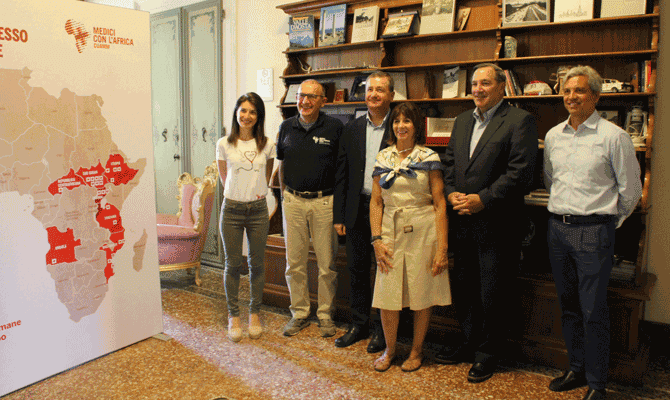
Last week saw the official visit of the American Ambassador to the Holy See, Joe Donnelly, to Padua, to personally get to know Doctors with Africa CUAMM, its commitment in Africa and its intervention in Italy and in Ukraine in favour of the most vulnerable.

The morning was an intense one, which first led the ambassador and his staff to visit the Immigration Office, in Piazza Zanellato, to get a close-up view of the commitment to welcoming migrants. In a second moment, Donnelly visited the CUAMM headquarters, in Via San Francesco, where he was informed about the work in eight African countries south of the Sahara, in favour of health and care for the most fragile segments of the population, mothers and children, and the training of local human resources. A particular focus is the Cuamm’s commitment in Italy, which has grown over the last two years, also thanks to the support of USAID.

Hence the recent collaboration with the Padua Police Headquarters, started on 28 March, to contribute to the activities of the Immigration Office. During March and April, due to the crisis in Ukraine, the number of people received by the desk doubled, reaching peaks of 350-400 in the first weeks of the conflict. They are mostly women, elderly people and minors.  Since this cooperation began, the helpdesk has received some 22,000 foreign nationals and has seen Cuamm volunteers actively engaged in reception.

«This was an important opportunity for me to get to know at first hand the commitment of Doctors with Africa CUAMM, the extraordinary work it is doing in response to the emergency in Ukraine, and its commitment in Africa, where it continues to work on the front lines to ensure access to care for the most vulnerable. – said US Ambassador to the Holy See Joe Donnelly – Thank you for the work you do in what you call the last mile, where the need for intervention is greatest. Seeing the fruits of the collaboration between Cuamm and USAID and knowing that together you can save the lives of many people, in Africa and beyond, is truly inspiring».

Antonio Sbordone, Chief of Police of Padua, said: «Our Immigration Office provides an extraordinary service, managing to bring together security considerations and those of welcoming and supporting the most vulnerable. We need support to best achieve this objective and the CUAMM is making an absolutely outstanding contribution. The volunteers are now perfectly integrated in the spirit that animates the policemen of the Immigration Office of the Questura of Padova, and my admiration and gratitude towards the CUAMM, for what it does in the world, and for what it does for us, is absolute, but also heartfelt».

«This visit is a great sign of esteem and friendship for us – said Andrea Borgato, deputy director of CUAMM -. Thanks to the special support we received from the United States Agency for International Development (USAID) at the outbreak of the Covid-19 pandemic, CUAMM was also able to carry out important initiatives and works in Italy and Padova. Although we always have Africa in our hearts, at a time of serious emergency, we have also been able to donate professionalism and expertise to our country, and this has been very important for all of us. On this road is the collaboration with the Immigration Office, which sees about 30 volunteers working every day to welcome migrants. In recent months, they have donated over 2,600 hours of their free time to help someone fragile and in need. This is one of the foundations on which, for over 70 years, CUAMM has based its choices and actions, in Africa, and also in Italy».

The 30 or so CUAMM volunteers at the Immigration Office give their time and availability to safely manage the reception phase of people in order to facilitate the receipt of paperwork and streamline procedures, thus guaranteeing a service of support and assistance to people in a state of stress or difficulty dictated by the critical situation. Added to these activities was the contribution of the interpreters who, in addition to providing assistance at the Ukrainian language desks, made themselves available for the translation of documents containing useful information for their stay in Italy.

WORLD POPULATION DAY IN MOZAMBIQUE

In Siluvo, World Population Day was an opportunity to share the results achieved and raise awareness of those yet to be conquered. The participation of local authorities, community and religious leaders, the Governor of the province Lourenço Bulha and the Minister of Health Armindo Thiago was significant, as well as organisations such as CUAMM, which continued their commitment in the health sector, and theatre, dance and artist groups who animated the initiative.

Armindo Thiago highlighted the improvements that are taking place, such as the reduction in maternal and child mortality, the increase in life expectancy (from 51 years in 2007 to 54 in 2017) and the 50% increase in the literacy rate. The challenges still to be faced, such as forced marriages for underage girls and gender-based violence that still affects many Mozambican women, were also mentioned. A further challenge, highlighted during the event, relates to the world’s growing population, which, especially in a low-resource country like Mozambique, makes it difficult to ensure access to essential services, especially in rural areas.

This is precisely why the suburban centre of Siluvo was chosen to organise World Population Day 2022, in order to involve the community and underline the country’s commitment to making essential services accessible.

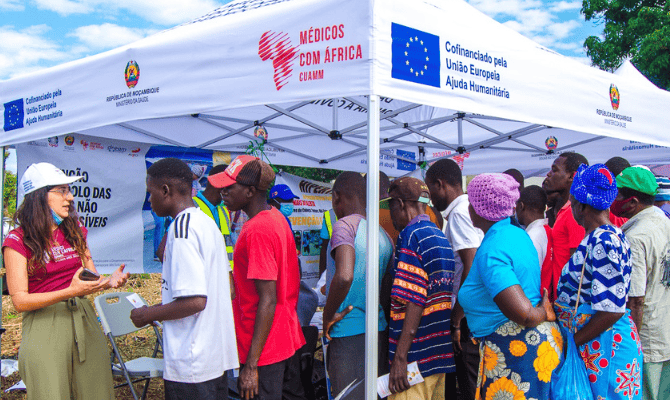
Cuamm continued its commitment in Mozambique during the event, offering the population HIV screening, chronic non-communicable diseases and vaccinations against Covid-19, as well as setting up a medical station and a blood donation stand. During the day, 43 people were examined for HIV, of whom two resulted positive, 138 were screened, identifying one suspected case of hypertension and two cases of diabetes. Finally, 28 vaccinations were carried out, a satisfactory number that reminds us of the importance of events like this.

The event also placed special emphasis on promoting the health of women and girls, especially in rural communities. CUAMM, in this regard, works in the province of Sofala in the field of HIV, which still has an important presence in Mozambique and affects women three times more than men. CUAMM’s activities include raising public awareness, promoting testing activities and improving adherence to treatment for people living with HIV.

Finally, a topic discussed was how to cope with the direct and indirect effects of the Covid-19 pandemic: on this front, the CUAMM, also thanks to the collaboration with the European Union and the Puglia Region, is supporting the Mozambican Ministry of Health in the vaccination campaign against Covid-19, in particular by supporting the logistics related to vaccination and raising awareness among communities in the most remote areas.

RESULTS AND PERSPECTIVES FOR THE BANGUI CHILDREN’S HOSPITAL

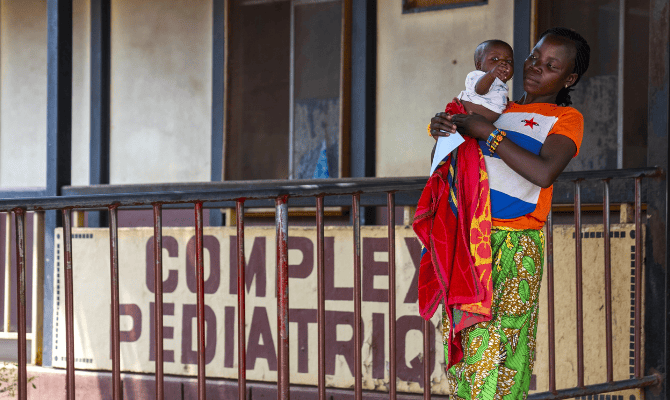
«A demanding and exciting mission. Supporting the Bangui Paediatric Hospital Complex for almost four years to improve the services offered and the management of resources was a real challenge! Today, the hospital, the only one in the Central African Republic to offer qualified care to children from 0 to 15 years old and to train the country’s future doctors, is “en marche”, but we hope that new perspectives will soon emerge to ensure its support», said Donata Galloni, project manager of Doctors with Africa CUAMM in Bangui.

The results of the programme “Appui au Complexe Pédiatrique de Bangui”, supported by the European Union through the Bekou Fund and implemented by Doctors with Africa CUAMM and Action against Hunger, were presented this morning at the Ngbako Conference Centre of the Hotel Ledger in the capital of the Central African Republic, on the occasion of the closing event.

Since 2018, “Appui au Complexe Pédiatrique de Bangui” has made possible to cover 65% of the facility’s expenses and to guarantee free care and assistance to young patients, as well as to offer continuous and qualified training to health staff and more.

Important numbers have been achieved in four years: 282,976 children had free access to an initial consultation and paediatric examination; of these, 138,197 were examined for medical emergencies; 76,088 were hospitalised; 6,514 were treated at the Nutritional Therapy Unit.

Much has also been done in regard to professional development: 366 health staff members have been trained in paediatric care (including nutritional rehabilitation); 395 staff members (or 98%) have been trained in Covid-19 prevention and response; and 23 health staff members have received specific training in Covid-19 patient management. In this way, the Bangui Hospital Complex has become, in effect, one of the central referral institutes of the Ministry of Health and Population.

Our commitment does not end here, as we continue to pursue the path taken to support a great hospital like the one in Bangui, together with technical partners and donors.

AN EXCHANGE THAT BUILDS LINKS

«It’s my first time in Italy to meet Doctors with Africa CUAMM: it is a joy for me to be here! After three years of commitment in the field, in Addis Ababa, my homeland, it’s exciting to see up close where it all began, it pushes me to give everything I can to my community!».

Mary Ayele is a very young Ethiopian project manager, working in Addis Ababa on public health and the vaccination campaign against Covid-19. Her passage to Padua was an opportunity to meet and engage with the Italian team, through the satisfaction of collaborating with local colleagues, precious resources, the expression of an Africa that helps Africa.

This is also how the program “Mothers and children first. People and skills”, which places the training and growth of the skills of the operators, from health workers to administrative staff, at the centre of Doctors with Africa CUAMM’s activities. The real driving force for improving access and quality of care in countries with limited resources.

«I am happy to be here for my first visit to Italy. I am originally from Hawassa, a town south of Addis Ababa». Her visit to Cuamm is an opportunity to get to know more about her training, the Ethiopian education system, her first experiences of commitment, the difficult vaccination campaign and future prospects. A frank exchange, pointing out lights and shadows, progress and struggles, of a local human resource empowerment that Doctors with Africa supports and encourages.

«After graduating in public health, I took a master’s degree, specialising in nutrition. At CUAMM, I started as a project worker in the WDF (World Diabetes Foundation) program, dedicated to chronic non-communicable diseases. Recently, I was promoted to project manager: I am leading the vaccination project, financed by IRC (International Rescue Committee) with ECHO funds. In the first months after joining CUAMM, the big challenge I faced was understanding how to handle administrative procedures. Today I am in charge of implementing activities and managing budgets. Following up on projects, especially at a regional level, I interact with our beneficiaries, local authorities, and government office staff.

At the same time, I am the coordinator of “Impulse”, a newly launched research project, about improving data quality on neonatal care. I also got married a few months ago! My husband has a background in environment and health. He now works with the Institute of Public Health in Ethiopia, as head of prevention and control of infectious diseases, and is as committed as I am to curbing Covid-19. Thus, we share ideas and aspirations.

As a teenager, my wish would have been to become a doctor, but in Ethiopia, the government assigns students a specific field of education and university. However, I became deeply passionate about public health. I believe that prevention is crucial: if we can prevent diseases, we reduce treatment costs; of course treatment remains critical, but the more we can prevent, the better!».

Growing with Africa

«I am growing professionally, acquiring skills related to my new role. It is a great opportunity for me to work in an Italian organisation like CUAMM. In the future, I hope to be involved in more projects, especially research ones. Compared to local NGOs, here I can work in a diverse, international team, interacting with different perspectives».

The progress of the vaccination campaign against Covid-19 in Addis Ababa

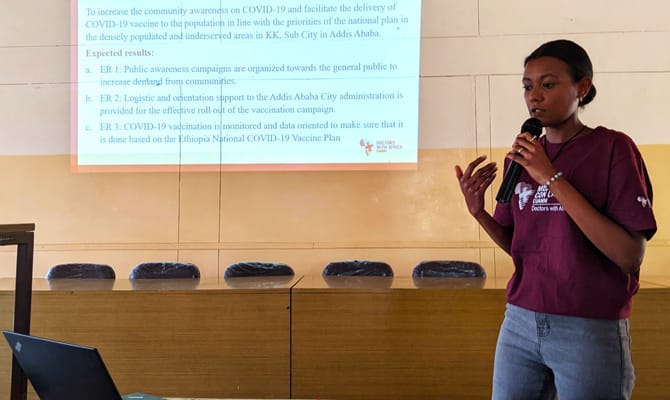
«The campaigns are planned at the national level. So far they are proceeding quite well. We try to collect data to monitor progress. For example, in the last campaign in Kolfe Keranio, Addis Ababa, June 20 to 29, we carried out 24,531 vaccinations. However, based on previous experience, the demand for vaccines in the capital is still low. We expect to vaccinate more in the future. People are slowly becoming aware of the importance of having protection against the virus. Until last March, we only had a few people vaccinated, we have definitely improved, but the number is still less than a million.

It is not easy, because the population often receives wrong and conflicting information, depending on the source and the area they are in. Local and international media do not always go in the same direction. Fake news such as post-vaccine deaths and claiming the vaccine is still experimental, spreads. Also the percentage of Covid-19 cases in Ethiopia does not appear to be very high, this leads people to think there is no need to vaccinate. We continue to raise awareness, broadcasting information on those radio stations that are most listened to by communities, to reach those who are most reluctant of the vaccine. We try to debunk fake news by interviewing experts. We are also pursuing a new path to community engagement, together with community leaders to give correct information and listen to people’s concerns: we gather women and men who are against vaccination around a table to understand their concerns and fears. We hope this will at least raise awareness about the severe effects of Covid-19».

Always keeping up to date

«I have come a long way since handling emergencies in a local organisation. Today I learn a lot by doing, by closely taking care of procedures. I try to keep up to date, to go deeper, to study. I always have less time to read, because I work late or even during weekends, but when I can, I go back to the books of Yismak Worku, a famous writer who has published works on Ethiopia’s history, traditions and sacred culture. My personal recharge!».
A TALK THAT FIXES AND HEALS

Doctors with Africa CUAMM’s Gender Based Violence project was born in the Metuge district in the Cabo Delgado province, in Northern Mozambique, later expanded in the districts of Chiure and Montepuez, now active in the city of Pemba. Elisa, a Mozambican psychologist with CUAMM, has seen this program grow, first as an anti-violence worker, then as a supervisor, with the desire to go where psychological and psychiatric intervention do not seem priorities, as opposed to concreate survival needs.

Inside a Mozambican anti-violence center

«My job is to support the team of anti-violence workers and the psychological and psychiatric support technicians, and to verify that the cases are being managed in the best possible way. With the outbreak of the conflict, dealing with IDPs has also been very difficult, because the psychological support component seemed abstract compared to people’s concrete needs. Women and men from different backgrounds, with distant cultural traditions, different ethnicities, forced to live together; they no longer have a source of self-support and have to depend on the distribution of food and any other good. Suddenly they have lost everything from their affections to their homes and witnessed abductions and killings of loved ones. Without a doubt, these are extremely vulnerable populations. Vulnerability that adds to already existing weakness, further worsened by the violence of the conflict».

Gender violence as war broke out

«Displacement is already a violence that people endure that brings with it other forms of abuse, for example physical and domestic as well as early marriages that cause so many female students to drop out of school. At the beginning of the displacement, many camps did not have a school to ensure continuity of education. As for assistance and services, there was a great difficulty in accessing basic health services, then with CUAMM and other organizations, the situation improved. Also crucial are activities conducted in communities, door-to-door, the so-called “palestras”, group chats on the topic of gender-based violence. People are more likely to seek help, knowing that efficient services exist. Vulnerable groups I often encounter are teenagers, women without a support network, people with disabilities and married women».

Access to services between fear and resistance

«There are several barriers to women seeking help: cultural issues and, as a result, gender patterns that relegate women to certain roles in order to make them exclusively good spouses and housewives. Religion also has an influence, as well as the dependence on the husband, which is economical, residential, emotional and therefore totalizing. It becomes difficult to seek help for women, especially in a context of displacement where social and family networks fall apart».

Stories that stay with us forever

«The stories that strike me the most are those shared by girls who had been abducted by non-state armed groups and were freed. Women who have lived through extremely difficult experiences, which they share with the operators and require that they themselves be able to manage their emotions».

A GIFT FROM ITALY TO UKRAINE

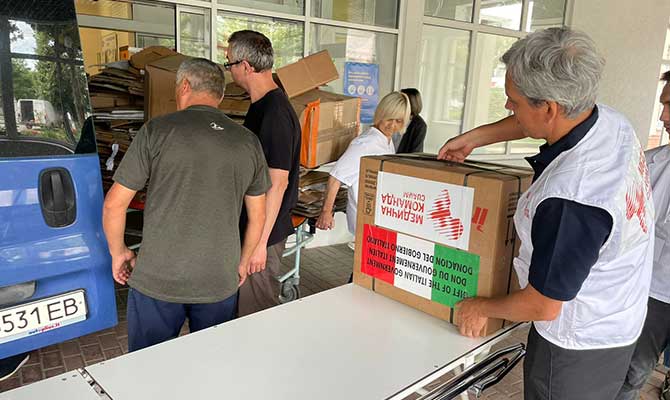
Official handover to local authorities and the VRB association took place last week, in Chernivtsi, Ukraine: 6 tonnes of primary and health goods, sent from Italy and made available through Doctors with Africa CUAMM work to the population.

An indispensable gift to help the thousands of internally displaced people arrived in this area of the country, less affected by the conflict. Despite that, they need everything: food and soaps for personal hygiene, healthcare in the hospital and a house to live in. Departed from Brindisi in early June, the load was stored in Siret, Suceava district, Romania and it arrived today at Chernivtsi, Ukraine. It includes medical kits (surgical, post-traumatic and for the non-communicable diseases treatment) and humanitarian goods (including tents, blankets, tent heaters, hygiene kits and water jerry cans). The load was made available by the Italian Agency for Cooperation.

To mainly benefit from it will be the internally displaced people residing in Chernivtsi and the 13 of 24 oblast (regions) hospitals of the country. So, the material will be used in the humanitarian response that Doctors with Africa CUAMM is implementing in Chernivtsi, Ucraina (and Moldavia) with the local partner VRB. The materials arrived by different realities like ‘’Ukraine Humanitarian Fund’’ (UHF), multi-donor fund managed by the UN Office for the Coordination of Humanitarian Affairs (OCHA). Italian Agency for Cooperation contributed for it as well the past march with 6 million euros.

After the greetings and the gratitude about what Italy is doing, like welcoming refugees from Ukraine and sending help to the country, Mykola Guitor, first Chernivtsi Vice-President of the Regional Council, kicked off the event: «If we stay all together we can defend our right to join the European family. Italy is helping us not just with words but also with facts, taking care of women, children and elderly people. Today we’re here to receive this concrete gift and to thank you. In this moment, our region is a humanitarian corridor where many displaced people arrive and the need is significant. This is not just a Ukrainian war; it concerns all the Europeans and the whole world. Despite that, we just want peace and to stay with Europe».

«We are particularly fulfilled about this operation, inserted in a solid collaboration with the civil society and in the wider Italian humanitarian response perspective to the current crisis. We can make a difference providing assistance successfully to the most vulnerable people only by creating synergies», said Minister Lucio Demichele, linked to the conference and head of Humanitarian Aid and Emergency to the Italian Ministry of Foreign Affairs.

While Pier Francesco Zazo, Ambassador of the Italian Republic in Ukraine, pointed out:  «The humanitarian problem in Ukraine is explosive, there are about 7 million internally displaced people. Italy is doing a lot giving support and assistance to the population. Unfortunately, estimates say that if the war continues by the end of the year there will be a 50% GDP reduction and half of the jobs will be lost. Italy is carrying on many humanitarian operations and activities, through the commitment of the Civil Protection, the Red Cross and many NGOs including CUAMM: one of the most important Italian NGOs that I appreciate and to which I am grateful. In the past few days, during his visit, Prime Minister Draghi highlighted the fact that Italian Government is among the first supporters of Ukraine’s Europe entry. We hope that this process can take place soon».

«As CUAMM our history always led us to work in Africa, for the most fragile and weak people, close to those who suffer the most, as women and children. So we couldn’t turn our backs on the Ukranian neighboring people, suffering so much today. We are grateful to the local association VRB, which we are collaborating with to support Ukraine. Our gratitude is also for the local authorities, above all to the Italian system and to the Italian Agency for Cooperation that has given us this essential primary and sanitary materials, indispensable for the population’s health, which we will be able to distribute in 13 of the 24 oblasts of the country»: said Don Dante Carraro, director of Doctors with Africa CUAMM.

VRB general manager Katerina Ponomareva gave voice to all the volunteers of the association. The association works hard to bring help to those who escape from the most affected areas of the country: «Thanks to this important load that Italy gives us through CUAMM we can go further, specifically in the easternmost regions. We can bring medicines and goods to children, to the sick, and to women. And this is very important to us».

The first operation, one of the two shipments realized within a few days apart from each other, was realized by the Ministry of Foreign Affairs and International Cooperation in coordination with the Italian civil society that is at the front line in response to the Ukrainian humanitarian crisis. This support gives a further boost to the commitment that CUAMM has shown for Ukraine during the war outbreak: while not taking away energy and effort from working in Africa, where every day the need also increases because of this war, CUAMM could not turn his back on a near and urgent need.

A “TRAFFIC LIGHT” TO GUIDE MOTHERS AND OPERATORS

In Goro, Ethiopia, remembering appointments at the health centre is not so easy for pregnant women, especially when they are busy looking after the family, the fields and the home. Many Ethiopian women are reluctant to announce their pregnancy until it becomes visible. These habits can represent a health risk for mothers and children: from pregnancy to postpartum, antenatal visits, proper care during labour and delivery, postnatal visits and vaccinations are essential.

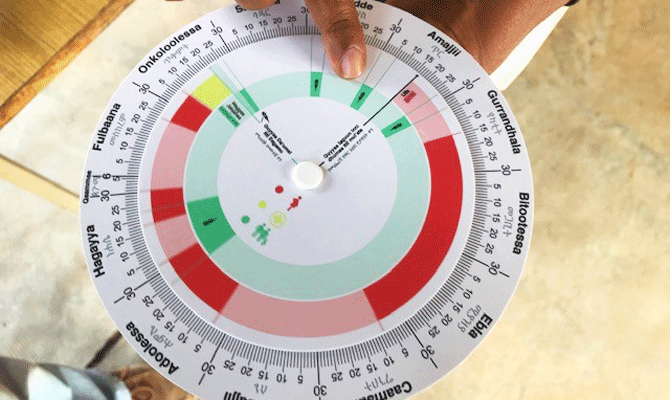
This is why Doctors with Africa CUAMM collaborated with the organisation “Women and children first” to launch the 18-month RE-CAL-L pilot project in November 2020 to get mothers used to requesting the services they are rightly entitled to, through a simple personalised reminder system.

So, in May 2021, pregnancy calculators and implementation manuals were distributed to the 50 community health volunteers (CHV) trained to develop the programme. From June to April 2022, the CHVs identified and enrolled 839 women for screening, distributing appointment calendars to them at health centres. CUAMM, in collaboration with local health staff, conducted supervision and support visits to volunteers and women enrolled in RE-CAL-L.

The project has been enthusiastically received by mothers and their families, as the operators say: “When we affix the calendar on the wall at home, the mothers-to-be are happy, they appreciate what we explain about the services”. The tools are understandable for all: “The calendar is very simple. The three colours communicate different messages: red for the services we receive before the childbirth, yellow for preparing for childbirth and green for services after childbirth and vaccination of the baby”. Furthermore, in cases where recognition appears more difficult because the mother has not had access to education, health staff and family are helpful: “The calendar is not difficult to understand, but because I am not instructed, my children read it for me! Thanks to these methods, the women were able to alert the health workers well in advance at the time of delivery: “I called an ambulance when the day of delivery was approaching on the basis of the calendar and returned home safely with my baby”.

Rahmat, 22, a recent mother of a baby girl, was particularly satisfied: “The calendar reminded me of all the dates of my visits during pregnancy and after delivery. It made me aware of my rights. I have already taken my daughter for her first vaccination. I can’t wait for the next one!”.

The project was a success, reaching 82 per cent of pregnant women in the Goro area, and resulted in a significant increase in the percentage of mothers-to-be who had at least four antenatal visits to health centres and their first antenatal check-up within the first 16 weeks of pregnancy. The results were so encouraging that leading health office officials promised that they would continue to use the pregnancy calculators after the end of the project. A demonstration that there is great potential for the RE-CAL-L system in Ethiopia, particularly to maximise results in a resource-limited setting. We hope that this system can be applied not only in other areas of Ethiopia, but also in other contexts: in this perspective, Goro and its 839 women are the starting point.

IN EPANGO, ANGOLA, WITH CUAMM’S MOBILE BRIGADES

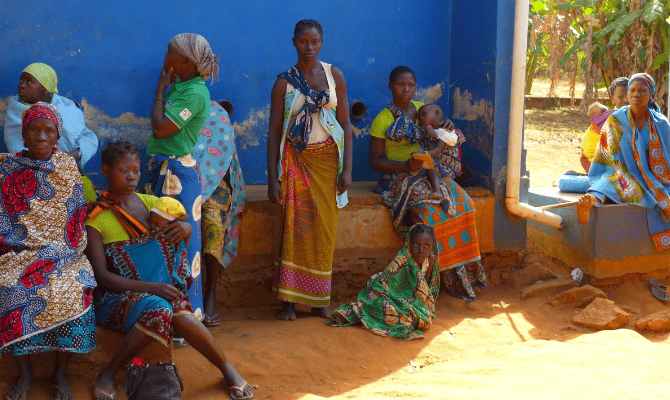
«To reach the village of Epango, in the municipality of Mucope, it takes almost two hours by car from Chiulo Hospital in southern Angola. The road is unpaved, runs through nature, and in the rainy season becomes difficult to travel on. Compared to other villages, a well here allows people access to water and a watering hole for animals. During the latest vaccination and prenatal consultations conducted by Cuamm nurses and public health nurses, 60 children under 5 and 10 new mothers showed up.

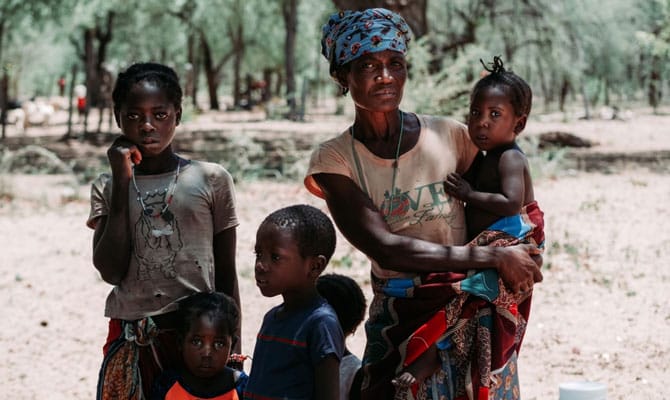
Dulce (in photo) is 37 years old, speaks the local language and arrived with five of her 12 children. She told us that her youngest was the second time she had visited. The child is two years old, was born in a “kimbo”, a typical Angolan home, and had not yet received the tuberculosis vaccine, as only the hospital administers it. Dulce became aware of the activities of the mobile brigades through word of mouth from the “parteiras”, the local midwives, and community agents, and since the meetings began to take place on a regular basis, she decided to participate. It is thanks to figures like these working among the population that Cuamm is able to reach the most remote places, to which it would not have access otherwise. Women’s main problems include transportation to health centers and the need to care for their children and camps. The presence of the Cuamm nurses makes it possible not only to bridge these difficulties, but also to help raise awareness».

 Two years of the Fresan program: the results of the mobile brigades

The Fresan program began in March 2020, implemented in one of Angola’s southern provinces, among the most affected by the worst drought in 40 years. The project aims to strengthen the health system for malnutrition management on different levels. It also aims to monitor the health status of children under five and pregnant women, improve the adoption of good nutrition and hygiene practices at the community level.

Among the program’s main activities are the mobile brigades, a team of four nurses deployed to 33 villages, in those more remote areas with difficult access to health care systems. The service brought to communities includes routine vaccinations of children under five and women of childbearing age, prenatal visits to pregnant women and nutritional screening of infants, pregnant mothers and children. Cuamm is the only organisation in Angola that currently performs a nutritional assessment of women. For those who fall within the criteria of malnutrition, our nurses deliver a food kit, a small help to be able to mitigate the food insecurity these communities experience.

Between 2021 and the first quarter of 2022, 190 outings with the mobile team were carried out, more than 10,000 children under the age of five received nutritional screening. Nearly 3,000 prenatal visits were performed. Together with the nutrition manager, at the municipal level, more than 40 supervisions with “on-the-job” training were carried out in health centres with outpatient services for the management of malnutrition. 66 health technicians, including physicians and nurses, were also trained on the integrated management of acute malnutrition.

The rates of malnutrition cases among children is highly variable from month to month, however, we can say that, in general, there has been a decrease in cases. In the first four months of 2022, the cases found are about half as many as in 2021. There was also a decrease in malnutrition cases, among pregnant women and infant mothers who received nutritional screening. We will have to wait until the end of this year to have a more in-depth assessment of the positive and virtuous effects of this intervention.

The three southern provinces over the past 3 years have been beneficiaries of an integrated program to strengthen food and nutrition security through the efforts of many NGOs, each with their own focus, nutrition, agriculture, and water. Everyone’s commitment and the blessing of a slightly more abundant rainy season than in 2021 will benefit the people of Southern Angola.


This news item has been produced with the financial support of the European Union. The contents are the sole responsibility of Doctors with Africa Cuamm and do not necessarily reflect the views of the European Union.